Select Size & Colors

Top 5 Barefoot Shoes of 2026

Healthy Routine Review staff
#1 Best Rated Barefoot Shoes
#1


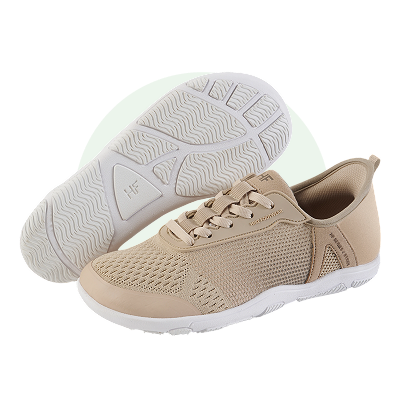
#1 HF Stride
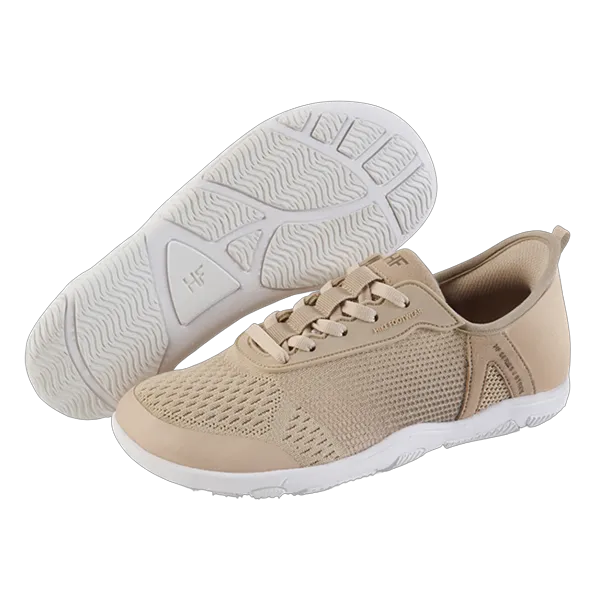
Hike Footwear's HF Stride blew me away from the second I put them on. This was the shoe I kept seeing all over the internet where people were finally walking pain-free. Here's my honest review and why I placed this Barefoot Shoe at #1 on my list. I wore them for a few days right away but my morning walk with zero foot pain was to die for. It was the fastest, easiest, and most comfortable shoe that I ever wore. It felt so natural and supportive that I couldn't believe I waited this long to try them!
Pros
- Eco-friendly packaging
- Durable and affordable
- Lightweight and flexible materials
- Wide range of styles and colors
- 30-day money-back guarantee
- Over +30,000 trustpilot reviews
Cons
- No physical store – only available online
- May require an adjustment period for new users
- Sizing may run small
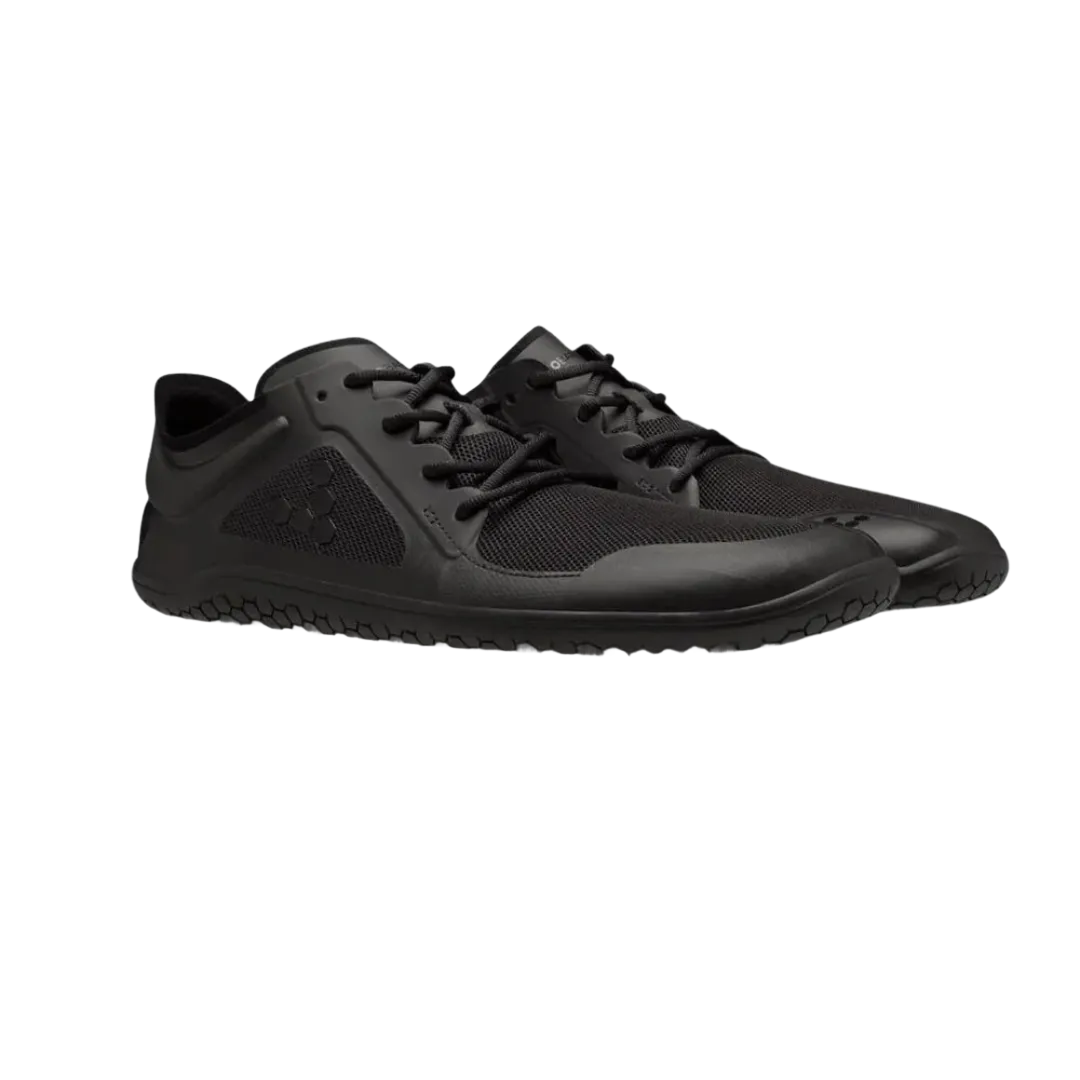
#2 Primus Lite III
#2

Pros
- Eco-friendly production process
- Stylish and versatile designs
- Promotes natural foot movement
- Durable and high-quality construction
Cons
- Higher price point
- Limited availability in physical stores
- Eco-friendly packaging
.svg)
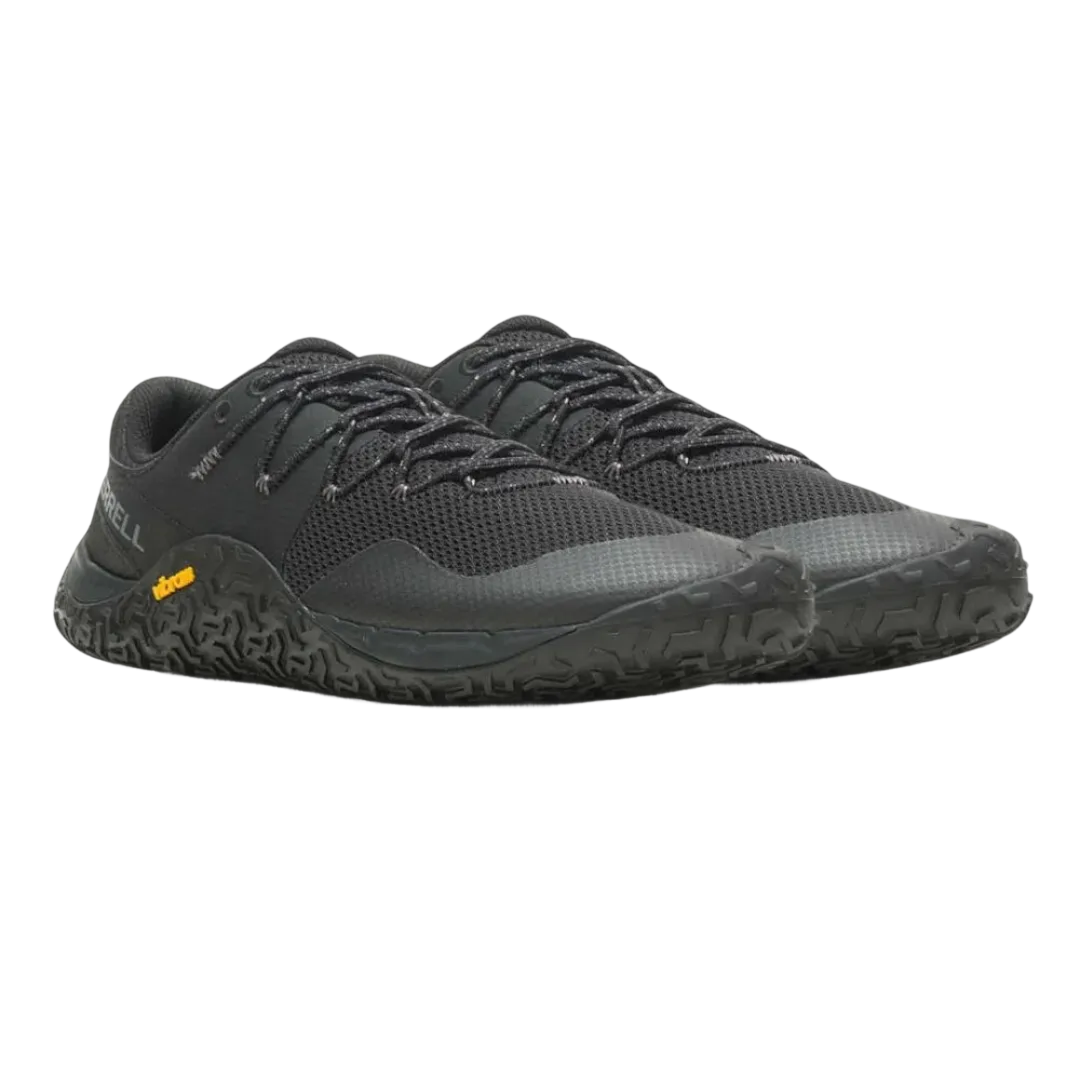
#3 Men’s Trail Glove 7
#3
Pros
- Excellent Vibram outsole grip
- Versatile for trails and daily wear
- Good customer service
Cons
- Tread wears out quickly
- Narrow fit – not ideal for wide feet
- Inconsistent sizing between versions

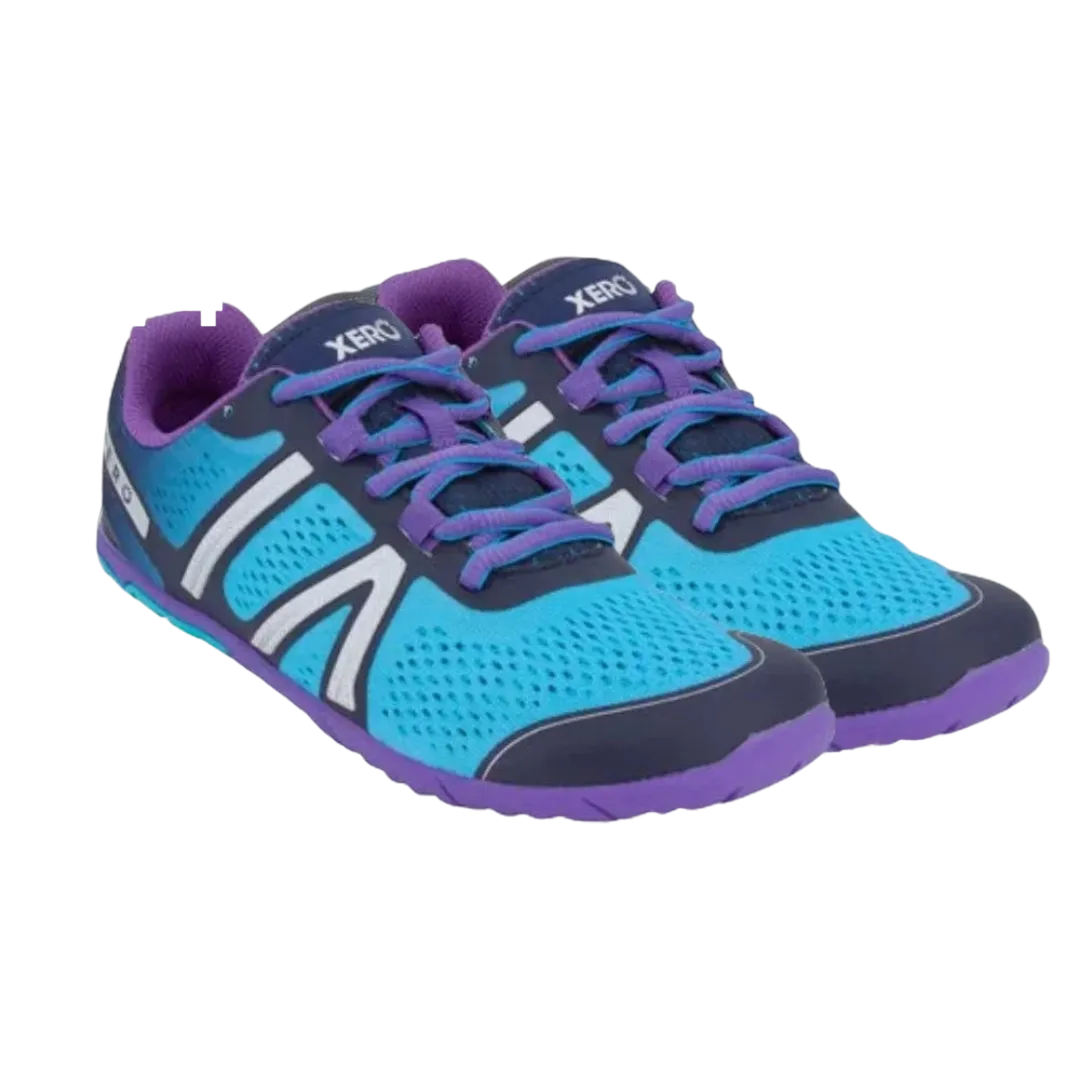
#4 Lightweight Road Running Shoe
#4
Pros
- Wide toe box for natural toe spread
- Highly flexible sole with great ground feel
- 5,000 mile sole warranty
Cons
- Limited cushioning for long distances
- May require break-in period
- Sizing can run small
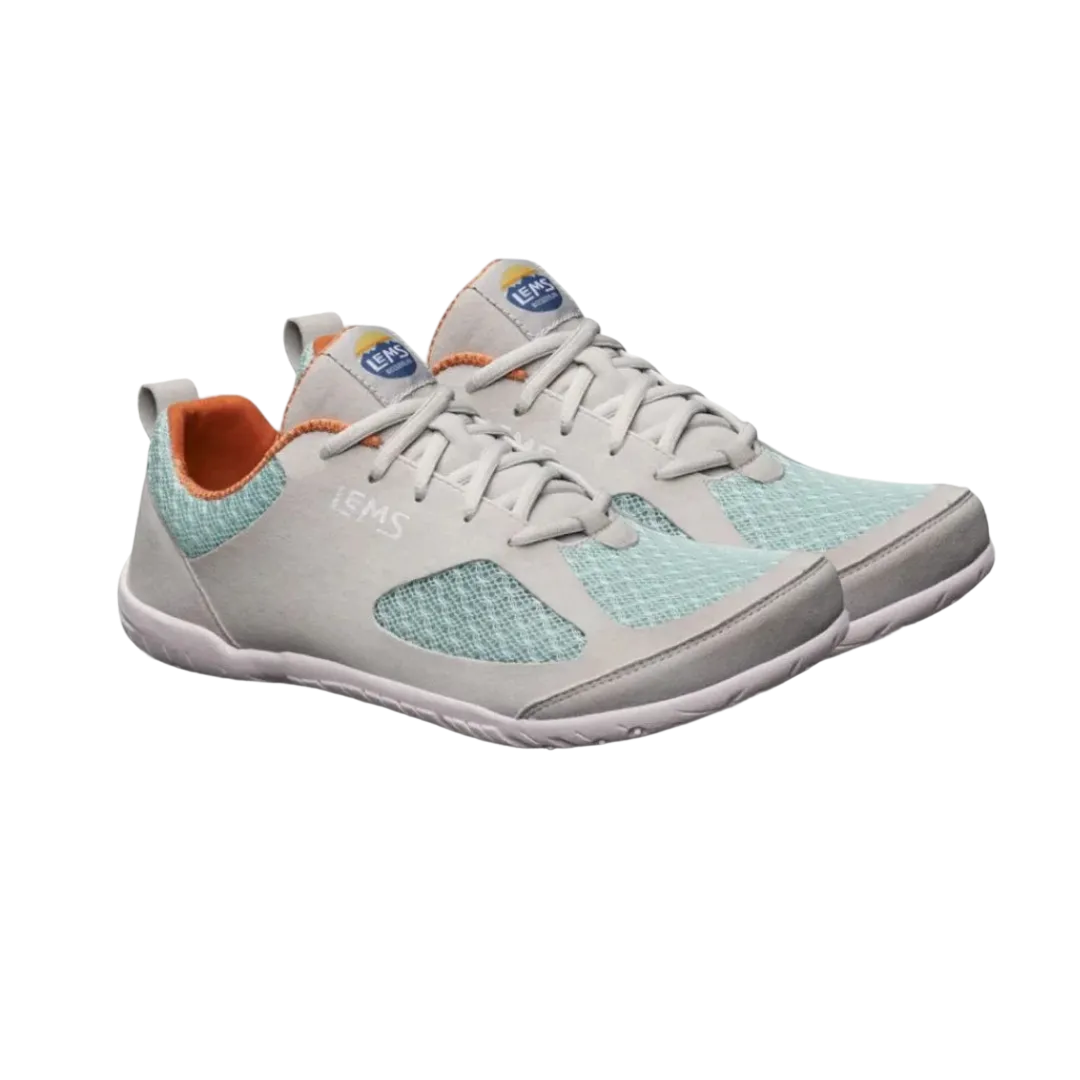
#5 Women’s Primal 2
#5
Pros
- Ultra-packable for travel
- Comfortable right out of the box
Cons
- Limited color options
- Some users report durability issues
- Sizing may run small
Barefoot Shoes: All the Basics
Whether you just discovered barefoot footwear or are looking to upgrade your current pair, the next step is to find your best-fit barefoot shoe. To get the perfect foundation for healthy feet, start with our quick overview of barefoot shoes.
Big Footwear Brands vs. Specialized Barefoot Companies
You might have noticed something surprising about our list of barefoot shoes: some brands are household names, yet others might be new to you. In the world of footwear, the big names have vast production facilities while the smaller ones craft in limited batches.
The biggest brands can be likened to Footwear Giants. These giants own large manufacturing plants and global distribution networks. When you purchase shoes from them, you're getting a product that's been through their comprehensive supply chain.
On the other hand, there are smaller, specialized brands that might be seen as Barefoot Specialists. They might not own vast factories but source quality materials and produce in smaller batches, often with unique designs focused purely on foot health.
As a consumer, here's what you really need to know about Footwear Giants and Barefoot Specialists:
Footwear Giants
Pro: Consistent quality and widely available. Con: Might lack the specialized focus on natural foot movement.
Barefoot Specialists
Pro: Purpose-built designs for foot health and often a fresher approach. Con: Might be pricier due to specialized production and high-quality sourcing.
Traditional vs. Barefoot Shoes
You can either purchase traditional cushioned shoes or make the switch to barefoot footwear.
Traditional: Comfortable, consistent, and great for those who prefer arch support or when you don't want to think about your footwear.
Barefoot: Allows natural foot movement and strengthening, often more beneficial in the long run but requires transition time.
How Much Do Barefoot Shoes Cost?
The cost of your barefoot shoes can vary based on:
- Brand reputation: Well-known brands might charge more.
- Quality of materials: Premium materials and sustainable sourcing might be pricier.
- Construction and design: Specialized features like zero-drop soles and wide toe boxes can add to the cost.
Here's How You Switch to a New Barefoot Shoe Brand
Want to switch your regular footwear brand? Here's a simple guide:
- Start slow: Before committing to full-time wear, try wearing them for short periods first.
- Check compatibility: Ensure the shoe works well with your foot shape and any orthotics you use.
- Purchase: Once satisfied, you can buy multiple pairs or explore other styles from the brand.
- Transition: Allow your feet time to adjust — most experts recommend 2-4 weeks of gradual wear.
How to Choose the Best Barefoot Shoe for You
The best barefoot shoe is the one that satisfies your comfort and lifestyle preferences. When selecting your perfect shoe:
- Toe box width: Do you prefer a wide, natural toe splay or a more snug fit?
- Stack height: Some shoes offer more ground feel while others provide extra cushioning.
- Materials: Check if it has breathable mesh, water-resistant fabric, or eco-friendly construction.
- Reviews: Check user reviews to gauge general public opinion.
Whatever you're looking for, you'll find the top-rated barefoot shoes right here on our comparison site.
HF Stride
Read Review →Primus Lite III
Read Review →Men’s Trail Glove 7
Read Review →Lightweight Road Running Shoe
Read Review →